★★★☆☆3.9(51 reviews)
Gardening Embroidery Design: A Charming Addition for Craft Fair Success
First Impressions of Gardening Embroidery Design
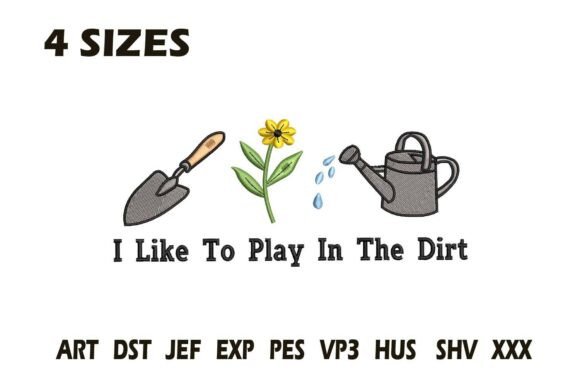
As an experienced embroidery designer with years of crafting and selling at local craft fairs and online marketplaces, I always start by evaluating the visual impact and emotional appeal of a design. The Gardening Embroidery Design immediately caught my eye with its playful charm and rustic-meets-modern aesthetic. The title and description suggest a love for gardening, and the imagery — a trowel paired with floral elements — hints at a design that feels both practical and personal. This is not a flashy or overly modern piece, but rather something that leans into the “farmhouse” vibe many handmade product buyers gravitate toward. It’s soft, decorative, and has that handcrafted feel that Etsy sellers and boutique makers know sells well in person and online. It’s also clearly part of the Floral category, which remains a staple in the world of embroidered home goods and apparel.Where This Design Shines on Handmade Products
The beauty of the Gardening Embroidery Design lies in its versatility. While it’s bold enough to be a statement piece, it’s also subtle enough to work as an accent when scaled down. Here are some product types where this design would perform exceptionally well:- Tote bag design: A large-scale version of this design on a cotton canvas tote would make a strong visual statement. Gardeners love functional yet stylish bags, and this design could easily become a bestseller.
- Apron embroidery: Adding the design near the pocket or along the waistband of a linen apron would create a charming, thematic look perfect for spring or summer fairs.
- Tea towel embroidery: The softness of the design complements cotton tea towels, especially if placed in the center. It adds personality without overwhelming the fabric.
- Embroidered patch: As a small patch, this design could be stitched onto denim jackets, backpacks, or even garden gloves for a cute, collectible detail.
- Fabric pouches and pillow covers: These are ideal for showcasing smaller or mid-sized versions of the design. Pillow covers with this embroidery can add a decorative touch to any home décor collection.
Practical Selling and Production Considerations
One of the most important factors for any machine embroidery design is how easy it is to understand at a glance. The Gardening Embroidery Design does this well. The trowel and floral elements are distinct enough to catch attention from across a room, making it a standout in a sea of products at a craft fair. When considering scale, I’d recommend using it as a large focal point on items like tote bags and aprons, and as a small accent on tea towels or patches. Testing the design on different hoop sizes will help determine the optimal placement and sizing for each product type. Photography is another key area. Because the design features bright florals and clear outlines, it photographs beautifully against neutral backdrops. For Etsy sellers, this means your printable mockups will look great in digital listings, and customers will get a clear sense of what they’re purchasing before clicking buy. Batch production is feasible, provided you review the stitch density and use the right stabilizer for each fabric type. High-density areas may require more careful handling during stitching, especially on thinner materials.Key Careful-Use Notes
- Dense stitch areas: Some parts of the design may have heavier stitching, so it's crucial to test on scrap fabric first to avoid puckering or distortion.
- Tiny details: If the design includes small floral elements or lettering (like “Play In The Dirt”), these might not show up well on very dark fabrics or when scaled too small.
- Thick or textured fabric: On items like market bags or denim, the design might need slight adjustments in stitch length or tension to maintain clarity and prevent thread breakage.
- Curved surfaces: When applying the design to curved items like caps, ensure proper alignment and consider using a specialized stabilizer to maintain shape and detail.
- Dark fabric: Thread colors may appear differently on darker bases. Always check contrast levels before finalizing production runs.
- Small sizes: While the design works well at larger scales, scaling it down for patches or small pouches may reduce the visibility of delicate elements.
Boosting Visual Appeal and Customer Engagement
A design that blends function with whimsy, like the Gardening Embroidery Design, naturally draws customer attention. At craft fairs, people are often looking for items that reflect their hobbies or passions — and gardening is one of the most popular. This design taps into that sentiment perfectly. Its farmhouse flair gives it broad appeal, while the floral components add a decorative touch that elevates everyday items. When used consistently across your product line — whether on tote bags, aprons, or tea towels — it helps build brand recognition and reinforces a cohesive theme for your craft fair booth. From a value standpoint, the design enhances the perceived quality of your finished product. Customers are willing to pay a premium for items that look professionally made but still carry that personal, handmade charm. This design hits that sweet spot.Handmade Quality and Brand Consistency
If you're an embroidery business owner or creative entrepreneur, consistency is key. Using the same thread colors and embroidery file across multiple products creates a unified look that strengthens your brand identity.Designer Tips for Getting the Most Out of Gardening Embroidery Design
To ensure your small shop product lineup is top-notch, follow these steps before production:- Test on scrap fabric: Try stitching the design on a sample of the fabric you plan to use. This will reveal any issues with tension or stitch coverage.
- Check thread contrast: Make sure the chosen thread colors stand out against your fabric base. A faded or washed-out design won’t capture attention at a booth.
- Review spacing and layout: Ensure the design doesn’t bleed into seams or overlap other elements when used on multi-panel items like aprons or bags.
- Confirm hoop size: If you haven’t been given specific dimensions, experiment with different hoops to find the best fit for the design and fabric.
- Inspect stitch density: Especially around the trowel and floral motifs, adjust stabilizer and tension as needed to avoid distortion.
- Use the right stabilizer: A tear-away or cut-away stabilizer is usually best for cotton or linen. For thicker textiles, a combination stabilizer might be necessary.
- Create a real mockup: Before producing a batch, make at least one sample item to evaluate the overall look and feel in person.
- Compare fabric colors: Test the design on several fabric shades to see which ones enhance its charm and clarity.
- Confirm commercial licensing: If you plan to sell commercial embroidery products, ensure you have the appropriate license to use the digital embroidery file.
Final Thoughts for Creative Entrepreneurs
In summary, the Gardening Embroidery Design is a valuable asset for any handmade shop owner or Cricut and embroidery crafter preparing for a weekend craft fair. Its blend of rustic charm and floral elegance makes it appealing to a wide audience, and when applied thoughtfully, it can elevate your product offerings and boost sales. Whether you're creating gift items for Mother’s Day, designing a new line of kitchen textiles, or building a cohesive craft fair display, this design has the potential to become a signature element in your brand. Just remember to prioritize testing, consistency, and quality — because in the handmade market, every detail matters.
⬇️ Download Free
Free download · No sign-up required
🔗 You Might Also Like
Floral
First Impressions: A Seasonal Statement of Elegance As an experienced embroidery...
Floral
As a designer who regularly evaluates embroidery files for both personal and com...
Floral
Product Suitability and Use Cases Embroidered Tote Bags: A minimalist daisy line...
Outline Flowers
Where This Design Shines as a Personalized Gift Baby Blankets: The gentle color ...
North America
Designer Tips for Using Layers of Oklahoma Embroidery Files Test First: Always s...
