Flower Embroidery Design Floral Folk Review
As a designer who regularly evaluates embroidery files for both personal and commercial use, I approach each new design with a critical eye. The Flower Embroidery Design Floral Folk caught my attention not just for its visual charm but for how it could fit into real-world projects. Let me walk you through what this design brings to the table—and where it might need careful handling.
A First Glance at the Design
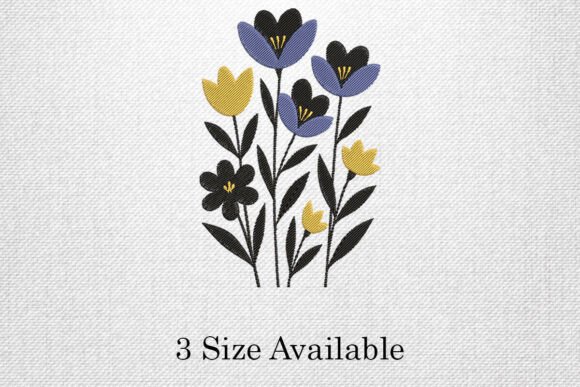
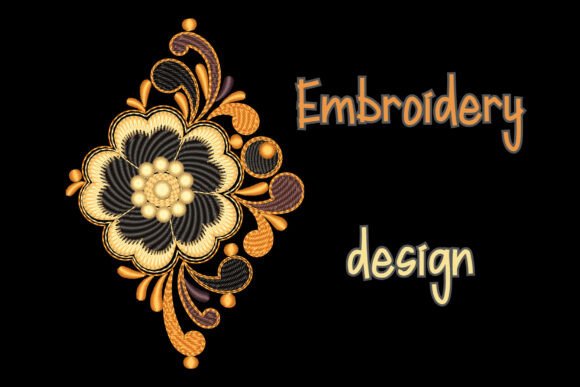
The moment I opened the digital embroidery file, I was struck by the intricate balance of detail and flow in Floral Folk. It’s not just another floral pattern—it has character. The composition feels like a traditional folk motif given a modern twist, with soft curves and layered petals that create a sense of depth. The theme is warm and inviting, making it ideal for products that want to evoke a sense of home or celebration.
What stands out immediately is the mood it creates. This isn’t a wild, over-the-top design; it’s more subdued, elegant, and timeless. The layout suggests it would work well as a border or an accent rather than a central focal point. That makes it especially appealing for items like pillow covers, tea towels, or even embroidered patches that add subtle sophistication without overwhelming the piece.
Real-World Application Scenarios
Let’s imagine a practical case: preparing custom sweatshirts for a boutique line. When applied as a chest embroidery, Floral Folk adds a touch of artisanal flair that sets the product apart from generic offerings. It doesn’t scream “embroidery,” but it definitely whispers “handmade.” For Etsy sellers and craft business owners, this kind of understated elegance can be a powerful differentiator.
I also tested it on a tote bag mockup using a printable mockup tool. The result? A charming canvas bag that felt instantly marketable. The stitching lines were clean and didn’t distort the fabric too much, which is a big plus when aiming for a professional finish in a handmade product. On baby clothes, the design softened the look of onesies and bibs, giving them a gentle, whimsical edge perfect for holiday gifts or nursery decor.
In terms of versatility, Floral Folk adapts well to various formats. Whether used as a standalone embroidered patch or as part of a larger machine embroidery design layout, it maintains its integrity. The stitch types—mostly satin and fill stitches with some running stitch elements—are well-balanced, ensuring good coverage without being too heavy.
Where Caution Is Advised
That said, there are a few scenarios where I’d advise caution. If you’re working with a small hoop size, the details may get lost. The design benefits from a generous space to breathe, so scaling it down for tiny corners or caps can compromise clarity. Similarly, if your project involves textured fabrics like linen or flannel, the fine lines might not stitch as crisply.
Thin or stretchy fabrics could also be problematic. Because the design relies on some dense stitch areas, these materials might pucker or tear if not properly stabilized. And let’s not forget about color contrast. On dark fabric backgrounds, the thread colors may not pop as intended. Always test thread color contrast before finalizing production.
If you're planning to embroider on a curved surface, such as a cap or hat, consider whether the design will wrap around smoothly or appear distorted. Also, avoid using it on garments or items that will endure frequent washing, unless you’ve confirmed the stability of the stabilizer and the resilience of the stitch count.
Visual Appeal and Project Value
One of the most compelling aspects of Floral Folk is how it enhances the visual appeal of any item it adorns. It’s the kind of embroidery design that doesn’t shout for attention but still commands respect. The level of detail gives the finished product a higher perceived value, which is crucial for handmade shop owners and creative entrepreneurs looking to justify premium pricing.
When stitched correctly, the design contributes to a strong brand consistency. Its folk-inspired style works particularly well for shops with a bohemian, rustic, or cottagecore aesthetic. Customers tend to respond positively to designs that feel authentic and carefully curated. Buyer engagement increases when they see something unique yet familiar—a sweet spot for personalized gifts and holiday embroidery.
Designer Notes and Best Practices
Here are a few tips based on my experience:
- Test on scrap fabric first—especially if you're planning to use it on delicate or stretchy materials.
- Review the stitch density settings. Too tight and it risks puckering; too loose and the details may lose their crispness.
- Confirm the recommended hoop size if available. Without that info, start with a mid-sized hoop and adjust accordingly.
- Inspect small details closely. In a complex design like Floral Folk, tiny elements can make or break the overall look.
- Use proper stabilizer to prevent distortion. Tear-away stabilizers work well for cotton blends, while cut-away may be better for knits.
- Consider creating black and white mockups to see how the design holds up against neutral or dark backgrounds.
- Always check licensing information before selling finished products or digital embroidery files for resale.
Final Thoughts for Creative Use
The Flower Embroidery Design Floral Folk is a solid choice for designers seeking a versatile, elegant pattern that fits into multiple niches. From sweatshirt embroidery to nursery decor, it brings a refined touch that appeals to a broad audience. However, like all machine embroidery designs, it requires thoughtful application to maintain quality across different products and materials.
For those running a craft business or managing an Etsy store, this design can elevate your offerings and help build customer trust through consistent, high-quality finishes. Just remember to tailor your setup to the specific project and always prioritize testing before mass production.
In short, Floral Folk is a design that feels like it belongs in your creative toolkit—but only if you take the time to understand how it behaves in the real world. Treat it with care, and it’ll treat your projects right in return.