Native Embroidery Design: A Bold Addition to Small Business Merch
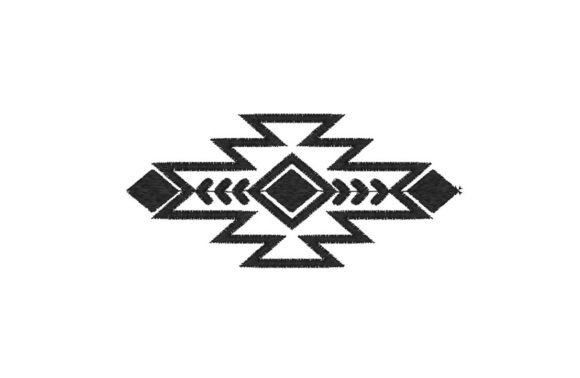
As an experienced embroidery designer with a focus on branding and small business needs, I recently reviewed the Native Embroidery Design. Digital File., specifically the ⚔️ Feathered Aztec Geometric Motif. This machine embroidery design caught my eye for its high-contrast black aesthetic and intricate geometric patterns, which immediately suggest a strong visual identity. From a professional standpoint, it’s clear this digital embroidery file is crafted with attention to detail and versatility in mind. Let me break down how it fits into the world of branded merchandise and what small businesses should consider before using it.
First Impressions: Professional and Striking
The first thing that stands out about the Native Embroidery Design is its boldness. The title and description hint at a design that's both visually complex and striking—perfect for brands aiming to make a memorable impression. It feels modern yet carries a touch of ancient symbolism through the Aztec-inspired motifs. The high-contrast black color palette gives it a premium and versatile feel, suitable for a wide range of fabrics and styles.
While it doesn’t scream “handmade” in the traditional sense, the design has enough depth and character to work well alongside handmade products or in craft-focused branding. It’s not playful but leans more toward the sophisticated and timeless side, making it ideal for businesses looking to project professionalism and cultural resonance without being overly literal.
Real-World Applications for Small Businesses
This feathered Aztec motif has a lot of potential across different types of small business merch. Here are some practical ways it can be used effectively:
- Embroidered Patches: The design works exceptionally well as a patch. Its structured layout allows it to maintain clarity even when stitched onto denim or felt. It could serve as a logo patch for a boutique or a collectible item for customer gifts.
- Staff Uniforms: As a chest logo accent, the motif adds a subtle but impactful layer of sophistication. It pairs well with minimalist uniforms, especially in white or light-colored shirts, where it becomes a standout feature.
- Apron Embroidery: For cafés, bakeries, or artisanal shops, this pattern can add a unique flair to staff aprons. Placed along the sleeve or near the pocket area, it enhances brand visibility while maintaining functionality.
- Cap Embroidery: On caps, the design functions best as a back patch or side detail. The front cap space is usually limited, so unless you’re going for a very large hoop size, careful placement is essential.
- Tote Bag Design: When applied to tote bags, the Native Embroidery Design brings a touch of elegance and strength. The geometric structure translates well to flat surfaces, allowing for a clean, finished look that speaks volumes about your brand’s style.
- Product Packaging Accents: If your brand uses embroidered labels or tags on packaging, this design offers a premium appearance that can elevate the perceived value of your handmade product.
- Boutique Merchandise: Whether it’s custom apparel for your store or branded items sold online, this design helps maintain a consistent brand identity across multiple products.
- Event Merch: Use the design as part of event-specific merchandise such as badges, lanyards, or promotional items. It’s a great way to create a cohesive theme while standing out from generic designs.
- Etsy Branding: Handmade shop owners will appreciate how this design complements their offerings. It can be used as a signature mark on pouches, stickers, or embroidered tags, reinforcing authenticity and quality.
- Craft Business Assets: Think beyond clothing—this design can also appear on fabric markers, reusable shopping bags, or custom packaging for craft business assets, giving your brand a unified visual language.
- Printable Mockup Compatibility: Since the design is high-contrast and geometric, it looks excellent in printable mockups. Showcasing it on product images or marketing materials will help customers visualize the final product accurately.
- Commercial Embroidery Projects: With the right licensing, this machine embroidery design can be integrated into larger commercial runs for custom apparel like workwear or team gear.
Where to Use with Caution
Despite its strengths, there are scenarios where the Native Embroidery Design requires thoughtful consideration:
- Small Patch Sizes: The design’s complexity may reduce its legibility if scaled too small. Always test it in black and white at reduced sizes before production.
- Curved Surfaces: Because of its detailed outlines, the design might lose sharpness when stitched on curved areas like shoulders or sleeves. Proper stabilizer use is key here.
- Tiny Lettering (If Included): If the design includes any lettering, ensure it remains readable after scaling. High stitch density in these areas can cause thread bunching or distortion.
- High Stitch Density: The feathered details contribute to a dense stitch count, which may affect fabric texture and durability over time, especially on thinner materials.
- Textured Fabric: While the design is bold, textured fabrics like canvas or linen can soften the impact of the stitches. Consider using a heavier-weight material for maximum definition.
- Dark Uniforms: Black-on-black stitching won’t show up on dark garments. Choose contrasting thread colors or lighter base fabrics to highlight the design.
- Frequent Washing: If the design is used on items like aprons or work shirts that get washed regularly, ensure the stabilizer and backing choices are durable enough to withstand repeated laundering.
Brand Identity and Customer Perception
Incorporating the Native Embroidery Design into your branding strategy can significantly enhance brand recognition. The motif’s geometric nature provides a strong visual anchor that customers can easily associate with your business. Its boldness signals confidence and professionalism, which can increase customer trust, particularly for new or niche brands.
When applied consistently across design assets, such as patches, tote bags, and staff uniforms, the design contributes to a unified and polished brand identity. It’s especially effective for businesses that want to convey a sense of heritage, craftsmanship, or bold individuality.
Visual Consistency and Buyer Engagement
Maintaining visual consistency is crucial in building a recognizable brand. The Native Embroidery Design supports this by offering a repeatable, scalable element that can be adapted across various formats. Whether it’s a small embroidered patch or a full sleeve detail, the motif retains its structural integrity and visual appeal.
From a buyer engagement perspective, the design’s uniqueness encourages curiosity and interaction. Customers tend to remember logos and symbols that stand out, and this one does just that. It adds a level of sophistication to your product presentation that can differentiate your brand in crowded markets like Etsy or local boutiques.
Designer Notes for Optimal Results
Here are some key tips to keep in mind when preparing to use the Native Embroidery Design in your next project:
- Test in Black and White First: Before committing to specific thread colors, run a test in grayscale to evaluate contrast and clarity.
- Check Small Patch Size Performance: Ensure the design remains legible and visually balanced when used on smaller embroidered patches.
- Review Thread Color Contrast: Depending on the background fabric, adjust thread colors for optimal visibility and aesthetics.
- Inspect Spacing: Look closely at how the feathers and geometric lines interact. Tight spacing might require adjustments for certain applications.
- Confirm Hoop Size: Make sure your embroidery machine supports the required hoop size for the design. If unsure, reach out to the supplier for specifics.
- Test on Real Fabric: Always stitch the design on the actual fabric you’ll be using. This reveals how stitch density and fabric texture affect the outcome.
- Use Proper Stabilizer: Especially important for curved surfaces or delicate materials. A tear-away or cut-away stabilizer can prevent puckering and misalignment.
- Create a Mockup for Client Approval: Use a printable mockup to show the design on the intended garment or product. This builds client confidence and ensures alignment with their vision.
- Compare Beside Other Design Assets: Place the Native Embroidery Design alongside your other branding elements to ensure harmony in color, scale, and style.
- Confirm Commercial Licensing: Before using the digital embroidery file for mass production, verify that the license allows commercial use. This avoids legal complications and protects your investment.
Final Thoughts for Embroidery Shops and Product Creators
The Native Embroidery Design. Digital File. is a powerful tool for businesses seeking to inject personality and professionalism into their custom apparel and branded items. Its bold, high-contrast aesthetic makes it adaptable to many shapes and embroidery projects, from simple patches to statement pieces on tote bags or uniforms.
However, due to its detailed composition and potential for high stitch density, it demands careful planning and execution. Testing is essential, especially when working with small formats or challenging materials. With the right approach, though, this design can become a signature element of your brand identity, helping you stand out in a competitive market.
If you're considering this digital embroidery file for your next small business merch collection, take the time to explore its possibilities and limitations. The payoff in terms of visual consistency, professionalism, and buyer engagement can be significant for those who use it wisely.