Go Fishing Embroidery: A Designer’s Practical Review
As an embroidery designer and product reviewer with years of hands-on experience, I often find myself evaluating digital designs not just for their visual appeal but for how they translate into real-world projects. Go Fishing Embroidery is one such design that caught my attention recently—not only because of its thematic charm but also for the versatility it promises. In this article, I’ll walk you through what I observed when preparing to use it on a custom embroidered tote bag intended for a boutique line.
First Impressions: The Mood and Visual Personality
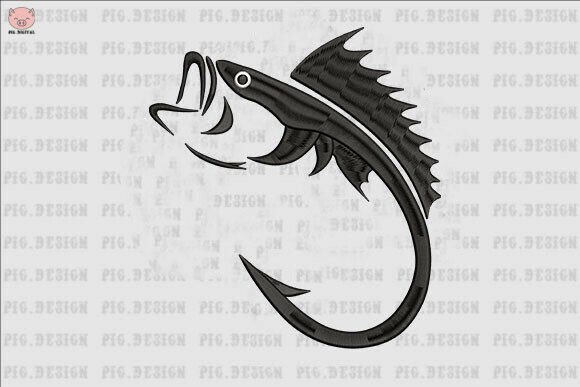
The first thing that stands out about Go Fishing Embroidery is its warm, playful tone. It’s clearly inspired by the outdoors and has a casual yet professional look that aligns well with camping and leisure themes. The layout is balanced, with clean lines and a sense of motion in the imagery—probably the fish or fishing gear. The level of detail is moderate, which makes it suitable for a range of applications without being overly complex.
I appreciated the thoughtful color choices. The thread colors are harmonious and easy to differentiate, making it more likely that the design will stitch cleanly and look intentional, even on simpler machines. However, as with any embroidery file, the success of the final piece depends heavily on the fabric, hoop size, and stabilizer used.
Design Notes for Different Projects
Let me break down where Go Fishing Embroidery shines and where it might need some extra attention:
- Tote Bags: This design works beautifully on cotton canvas or denim. The bold elements stand out well against a plain background, and the stitching holds up under normal wear and tear. As long as the hoop size is adequate and the stabilizer is appropriate, the result looks polished and inviting.
- Sweatshirts & T-Shirts: For knit fabrics like those found in sweatshirts, I recommend using a t-shirt stabilizer to maintain clarity. On cotton tees, the design stitches smoothly and retains its shape. The fill areas are dense enough to be visible but not so tight that they cause puckering or distortion.
- Baby Clothes: While the design is whimsical, I would avoid using it on delicate or stretchy baby garments unless the elements are resized significantly. The larger motifs may overwhelm smaller pieces like onesies or bibs. But if simplified and placed carefully, it could add a fun touch to a personalized gift.
- Patches & Caps: If you're planning to create an embroidered patch from this file, ensure the backing is strong enough to support the entire design. For caps or curved surfaces, consider whether the layout can be adjusted for better fit. The design’s structure is mostly flat, so it may require tweaking for curved embroidery.
- Aprons & Pillow Covers: These are excellent candidates for this design. The texture of woven cotton aprons complements the stitching well, especially when using satin stitch outlines. Pillow covers benefit from the design's cohesive look, turning them into charming home décor items.
- Holiday Gifts & Personalized Products: With its thematic nature, Go Fishing Embroidery could easily become part of a seasonal collection—think summer-themed gifts or Father’s Day presents. Its friendly appearance invites emotional connection, which is key for handmade products and Etsy sellers aiming to boost buyer engagement.
- Commercial Use: From a business perspective, this embroidery file has potential for small shop merchandise, especially if your brand caters to outdoor enthusiasts. Just make sure to confirm licensing terms before incorporating it into your product offerings or digital embroidery design bundles.
Where Caution Is Needed
While Go Fishing Embroidery is a solid choice for many projects, there are situations where it may not perform optimally. Here are a few scenarios to keep in mind:
- Small Hoop Sizes: If you’re working with a compact hoop, this design might need to be trimmed or scaled down. Some intricate parts could get lost or distorted if the machine can’t handle the resolution properly.
- Textured Fabrics: On flannel, corduroy, or other thick, napped materials, the fill stitches may appear uneven. You may need to adjust stitch density or test different stabilizers to achieve a smooth finish.
- Thin or Stretchy Fabrics: Delicate fabrics like silk blends or stretch knits could struggle to hold the weight of dense stitches. Always test on scrap material first and consider reducing stitch density if necessary.
- Dark Fabric Backgrounds: The thread colors included in this design are light and vibrant, which means they pop best on medium or light-colored fabrics. When applied to dark backgrounds, contrast may suffer, especially in fill areas. Consider testing black and white mockups before purchasing the file.
- Curved Surfaces: Patches or embroideries on curved items like caps or mugs may show slight warping if not designed for that purpose. Since this is a general-purpose file, expect some manual adjustments for non-flat surfaces.
- Detailed Corners and Tiny Lettering: If the design includes small text or fine details, these should be inspected closely. Depending on your machine’s capabilities, tiny lettering may not stitch cleanly unless you have high-quality settings and good tension control.
Stitch Quality and Machine Compatibility
From a technical standpoint, Go Fishing Embroidery uses a mix of satin stitch and fill stitch techniques effectively. The running stitch sections, such as outlines or decorative accents, are consistent and won’t snag easily. That said, the stitch count isn’t listed in the product description, so it's important to check the file itself or contact the seller for specifics before committing to a large production run.
Also, always verify compatibility with your specific embroidery machine. While most modern machines can handle standard files, variations in format (like .PES, .JEF, or .HUS) may affect performance. If the design doesn’t come in your preferred format, ask if it can be converted or if multiple versions are available.
Visual Appeal and Brand Value
What makes Go Fishing Embroidery special is its ability to enhance both the visual appeal and perceived value of a finished product. Whether you're creating a sweatshirt embroidery for a local outdoor store or a personalized gift for a customer, the design brings a sense of craftsmanship and care that customers notice and appreciate.
Its visual personality adds a layer of professionalism to your handmade products, helping to build customer trust and brand consistency. If your craft business focuses on lifestyle or recreational themes, this design could serve as a signature asset across multiple product lines—especially for small shop product branding or Etsy listings.
Design Application Tips
To help you integrate Go Fishing Embroidery into your workflow effectively, here are a few practical notes based on my testing:
- Test on Scrap Fabric: Before stitching on a final product, always run a test on a sample of the same fabric type. This helps catch issues with stitch distortion, tension, or color visibility early.
- Review Thread Color Contrast: If the design uses similar shades, consider substituting threads for better contrast. This is especially important for handmade product visibility and overall aesthetic quality.
- Check Stitch Density: Adjust the density if you're working with thicker or stretchier fabrics. Too much pressure from dense stitching can cause puckering or even tearing.
- Confirm Hoop Size: Make sure the hoop size matches the dimensions of the design. If unsure, look for a recommended hoop size in the file documentation or reach out to the designer.
- Inspect Small Details: Zoom in on the design preview to see if all elements will stitch clearly. If something looks too fine or intricate, simplify it before sending it to the machine.
- Use Proper Stabilizer: Especially on stretchy or thin materials, the right stabilizer can make or break the outcome. I’ve had great results with tear-away or cut-away stabilizers depending on the fabric.
- Compare Light and Dark Backgrounds: If your project uses a dark fabric, test the design in reverse mode or with lighter thread combinations to maintain clarity.
- Check Licensing Terms: Before selling the finished product, ensure the design allows commercial use. Many free files are restricted to personal projects only.
Final Thoughts: A Thoughtful Addition to Your Design Library
In conclusion, Go Fishing Embroidery is a well-structured machine embroidery design that offers a nice balance between simplicity and visual interest. It’s ideal for projects where a laid-back, camp-ready motif fits the theme, such as a custom tote for a weekend trip or a holiday-themed pillow cover.
As an embroidery reviewer, I’m impressed by how this design maintains its integrity across various applications. It elevates the product value and supports professional embroidery projects without requiring advanced techniques. That said, its performance hinges on proper setup, fabric selection, and testing—so don’t skip those steps.
If you're looking to expand your design assets for camping-related embroidery, this file is worth considering. Just approach it with a bit of curiosity and a willingness to adapt for your specific needs. After all, the best embroidery work comes from understanding both the art and the science behind each stitch.