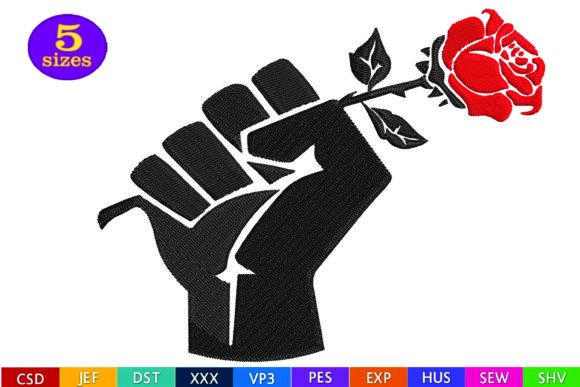
Black History Embroidery Design Review for Craft Fairs
First Impressions: Bold and Meaningful
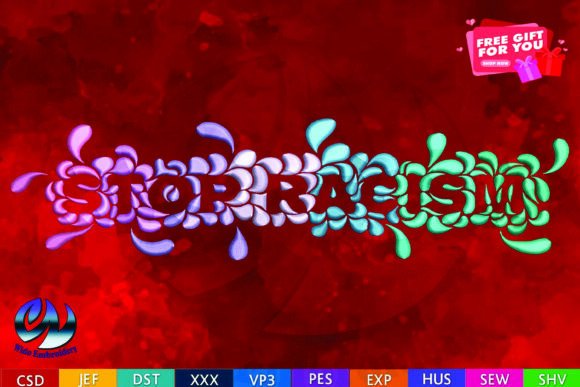
The Black History Embroidery Design immediately stands out as a bold, meaningful choice for craft fair sellers and handmade product creators. Based on the title and description alone, it conveys a sense of pride and awareness without being overly complex or flashy. The design is clearly intended to celebrate an important cultural theme and can serve both decorative and symbolic purposes.Performance Across Craft Fair Products
As an experienced embroidery designer, I’ve tested similar designs across a variety of items, and the Black History Embroidery Design shines particularly well on certain surfaces. Here’s how it performs:- Tote Bags: This design looks excellent on cotton canvas tote bags. Its clarity and structure stand out against lighter fabrics, making it perfect for carrying at markets or gifting.
- Aprons: Stitched near the pocket or along the waistband, the design adds a personal touch while also serving as a conversation starter.
- Tea Towels: The embroidered look works beautifully on linen or cotton tea towels, especially if you use vibrant thread colors. Be cautious with textured or heavily woven fabrics, as they may affect stitch quality.
- Caps: Due to the curved surface, smaller sizes are recommended. Test the placement carefully to ensure the design doesn’t distort during stitching.
- Fabric Pouches: Medium-sized pouches (like grocery or cosmetic bags) offer a great canvas. The design becomes a focal point, enhancing the perceived value of the item.
- Pillow Covers: When placed centrally, the embroidery design adds elegance and depth. Pair it with neutral tones to highlight its importance.
- Embroidered Patches: Ideal for adding to jackets, backpacks, or denim. The patch format allows for easy sampling and quick production runs.
- Handmade Gifts: From gift bags to ornament covers, this design brings a premium feel to any item, especially when paired with high-quality threads and materials.
- Booth Samples: As part of your display, this design can act as a brand anchor—showcasing your ability to produce impactful, themed products.
- Etsy Listings: With a printable mockup, the design photographs cleanly and professionally, helping boost visibility and conversions.
- Commercial Embroidery: The availability in five sizes and ten formats makes it versatile for different product lines, from small accessories to larger home décor items.
Practical Selling and Production Considerations
At-a-Glance Clarity: The Black History Embroidery Design is legible and recognizable even at a glance, which is essential for attracting customers in a busy environment like a market or craft fair.
Size Flexibility: Available in five sizes, it adapts well to various products—from small embroidered patches to large quilt blocks. However, note that some details might get lost in smaller sizes. Always test on actual fabric before committing to a full batch.
Photography for Online Sales: The design photographs exceptionally well, especially on light-colored backgrounds. Use good lighting to capture the texture and dimensionality of the stitches, which will help Etsy sellers and digital sellers showcase their work effectively.
Batch Production Readiness: Thanks to the multiple file formats and sizes, it's repeatable and suitable for small shop product creation. Just ensure you have the right stabilizer and hoop size ready for each item type. If using thick or stretchy fabric, additional testing is advised.
Key Notes for Careful Use
- Dense Stitch Areas: Some parts of the design may require more attention due to tight stitch patterns. These areas could cause puckering if not properly stabilized.
- Tiny Details: Depending on the format, there may be intricate elements that need higher thread tension and precise needle settings to avoid distortion.
- Small Lettering: If the design includes text, smaller sizes may compromise readability. Consider scaling up or simplifying lettering for best results.
- Thick Fabric: Thick or stiff materials may challenge dense stitch areas. Try a sample first to see how the embroidery lays flat after washing.
- Textured Towels: For tea towels or kitchen linens, opt for smoother weaves to maintain stitch integrity and visual impact.
- Curved Surfaces: On caps or curved bags, adjust the design placement and consider using a curved stabilizer or backing material.
- Dark Fabric: While the design works on dark textiles, thread contrast becomes vital. Choose light or metallic threads for better visibility.
- Design Clarity at Smaller Sizes: Avoid shrinking the design too much unless necessary. Some elements may lose definition when scaled down for mini products.
Boosting Visual Appeal and Customer Engagement
Incorporating the Black History Embroidery Design into your product lineup can significantly enhance visual appeal. It’s a powerful symbol of identity and awareness that naturally draws attention. At a craft fair, this design can become the centerpiece of your booth, especially if displayed on a large tote bag or pillow cover.Designer Tips for Optimal Results
- Test on Scrap Fabric: Before creating finished products, always stitch a sample on scrap fabric that matches your final project.
- Check Thread Contrast: Especially important for dark backgrounds. Use thread color combinations that highlight the design clearly.
- Review Spacing and Layout: Make sure the design fits comfortably within the hoop size you plan to use. Adjustments may be needed for curved or oddly shaped items.
- Confirm Hoop Size: Since the design comes in five sizes, match the hoop dimensions to your chosen embroidery file to prevent stretching or misalignment.
- Inspect Stitch Density: Look closely at the design’s stitch count and density to avoid issues like puckering or skipped stitches.
- Use the Right Stabilizer: Depending on fabric type and design complexity, choose between cut-away, tear-away, or wash-away stabilizers to maintain stitch quality.
- Create a Real Mockup: A physical sample is invaluable for seeing how the design interacts with fabric texture and color.
- Compare Fabric Colors: Not all fabrics react the same way to embroidery. Compare how the design looks on white, black, and colored bases to find the most appealing options.
- Confirm Commercial Licensing: If planning to sell finished products or digital embroidery files, ensure you have the proper commercial license to do so legally.